1. Rosacea (early or inflammatory form)
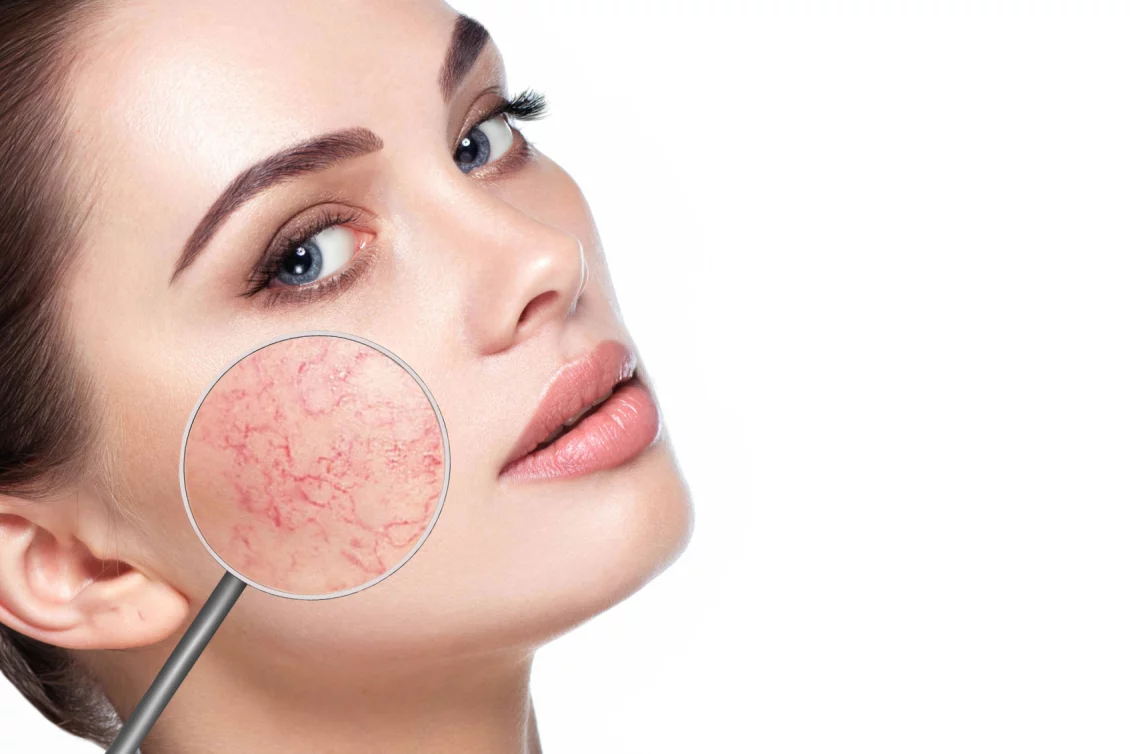
Redness + visible blood vessels quickly appear to be harmless facial redness.
Typical signs: papules and pustules, a burning or stinging sensation, sudden episodes of flushing and permanently dilated blood vessels.
Treatment:
Medical: metronidazole, 15% azelaic acid, ivermectin.
Laser/IPL only during a calm phase, without papules/pustules.
Care: anti-inflammatory, low irritation, SPF 50.
❌ No laser/IPL during active inflammation – this significantly worsens rosacea.
2. Flushing / vasomotor facial redness
Sudden severe redness without visible capillaries quickly appears as classic vascular redness.
Typical signs: sudden feelings of heat, severe facial redness, sweating and rapid subsiding of symptoms.
Treatment:
Trigger reduction: heat, alcohol, spicy foods, stress
Soothing, cooling care
Laser/IPL only effective to a limited extent
❌ Do not treat during acute flushing attacks.
2. Flushing / vasomotor facial redness
Sudden severe redness without visible veins quickly resembles classic vascular redness.
Typical signs: sudden hot flushes, severe facial redness, sweating and rapid subsiding of symptoms.
Treatment:
Trigger reduction: heat, alcohol, spicy foods, stress
Soothing, cooling care
Laser/IPL only effective to a limited extent
❌ Do not treat during acute flushing attacks.
3. Steroid-induced vasodilation
Skin weakened by cortisone shows fine vessels that are easily confused with couperose (redness in the face).
Typical signs: thin, sensitive skin, fine red veins and increased irritation after skin care or cosmetics.
Treatment:
Discontinue use of steroid cream.
Rebuild the skin barrier with panthenol and ceramides.
Laser/IPL only after complete skin regeneration.
❌ No laser/IPL on steroid-damaged, fragile skin.
4. Sun damage & UV-induced vascular changes
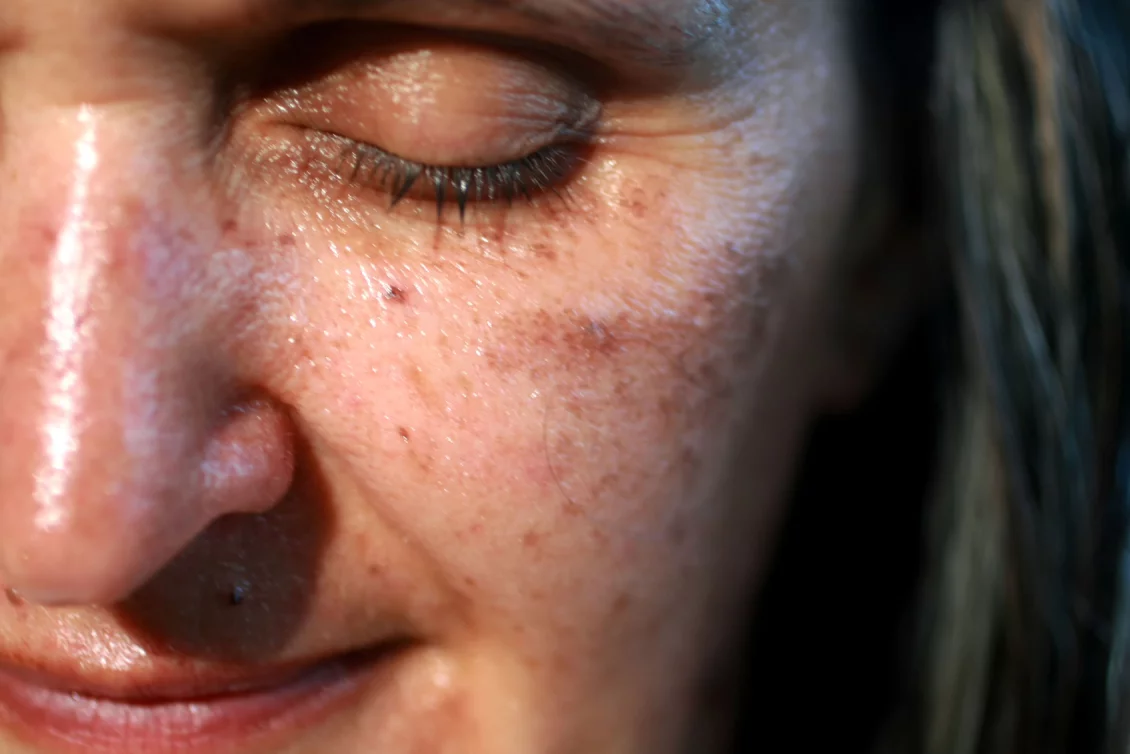
UV-induced redness and pigment spots can look deceptively similar to vascular redness.
Typical signs: diffuse redness, individual telangiectasia, pigment shifts and a rough, sun-damaged skin texture.
Treatment:
IPL (ideal for a combination of vessels and pigment)
KTP or Nd:YAG laser for individual telangiectasia
Consistent daily UV protection
❌ No deep peels or needling on UV-damaged skin.
Individual text
5. Perioral dermatitis
The inflammatory redness around the mouth is often reminiscent of rosacea or irritated facial redness.
Typical signs: small papules, pustules, tightness and a typical ‘spare zone’ directly around the lips.
Treatment:
Zero therapy (care break)
Medical: erythromycin, azelaic acid
Gentle barrier build-up
❌ No laser, IPL, peeling or microneedling.
6. Seborrhoeic eczema
Redness and flaking in the T-zone are often confused with reactive redness in the face.
Typical signs: redness, yellowish flakes, itching and inflamed areas, especially around the nose, eyebrows and hairline.
Treatment:
Antifungal agents such as ketoconazole
Zinc and anti-inflammatory care
Barrier building
❌ Laser/IPL aggravate the inflammation.
individual text
7. Erythrosis interfollicularis (neck/décolleté)
UV redness on the neck is similar to facial redness, but with deeper vascular patterns.
Typical signs: patchy redness, telangiectasia and UV-induced skin thinning in the neck or décolleté area.
Treatment:
IPL (very effective in the neck area)
Nd:YAG laser for deeper vessels
Strict UV protection
❌ Work carefully with energy – the skin on the neck is particularly sensitive.
8. Hormonal or medication-induced redness
Hormone-related flushes look like classic facial redness.
Typical signs include hot flushes, sudden redness, flushed cheeks and episodic vasodilation without visible telangiectasia.
Treatment:
Avoid triggers (alcohol, heat, stress)
Consult your doctor about adjusting your medication
Use soothing, non-irritating skincare products
❌ Laser/IPL treatments are not very effective as no actual blood vessels are affected.
individual text
9. Allergic or irritant dermatitis
Acute irritation looks like couperose or rosacea to the untrained eye.
Typical signs: patchy redness, burning, itching, flaking and sudden worsening after contact with certain products.
Treatment:
Identify triggers and consistently avoid them.
Build up the skin barrier with mild care products.
Short-term hydrocortisone (prescribed by a doctor) in severe cases.
❌ No laser/IPL – increases the risk of PIH and aggravates inflammation.
10. Couperose – one of the most common causes of facial redness
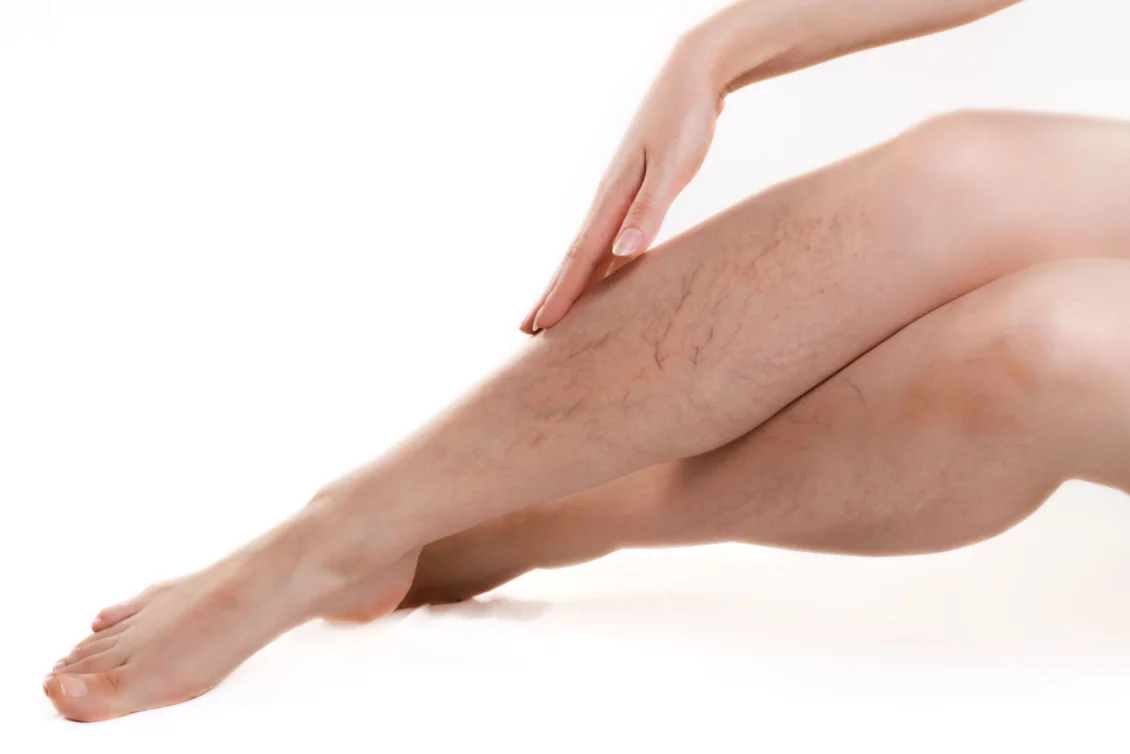
In addition to temporary irritation, couperose is one of the most common permanent forms of facial redness. It typically manifests as fine, dilated capillaries (telangiectasia), usually on the cheeks and nose. They are caused by a combination of sensitive vessel walls, weak connective tissue, UV damage and genetic predisposition.
Unlike inflammatory redness, couperose does not resolve on its own, but can be treated very effectively with modern vascular lasers or IPL. You can find a detailed overview here: Couperose treatment in Berlin.